
Modesto, CA · Since 1991
Piano Moving & Repair in Modesto
Uprights, spinets, consoles, baby grands and grands moved, stored, repaired and refinished by a family shop on Maze Blvd. Call (209) 524-6349.
Send us a photo of the piano and the doorway for an estimate.
Free estimate when you bring the piece to 301 Maze Blvd; on-site visits have a charge, quoted by phone.
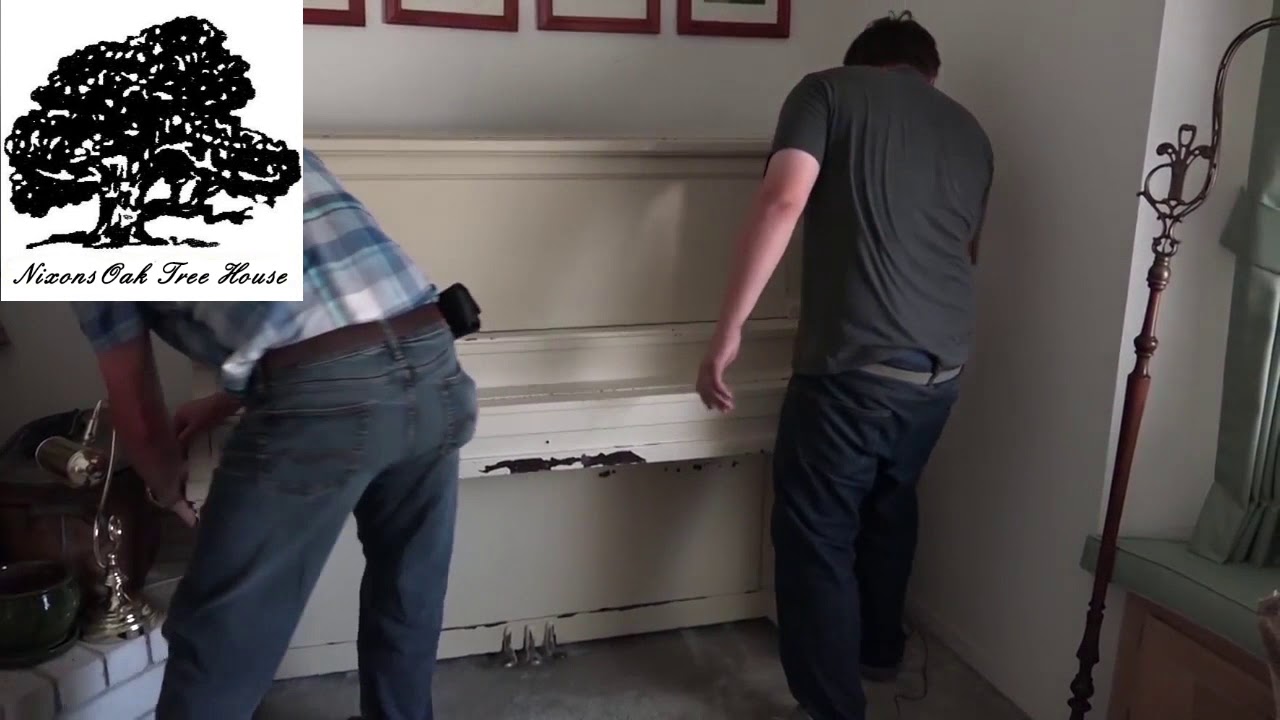

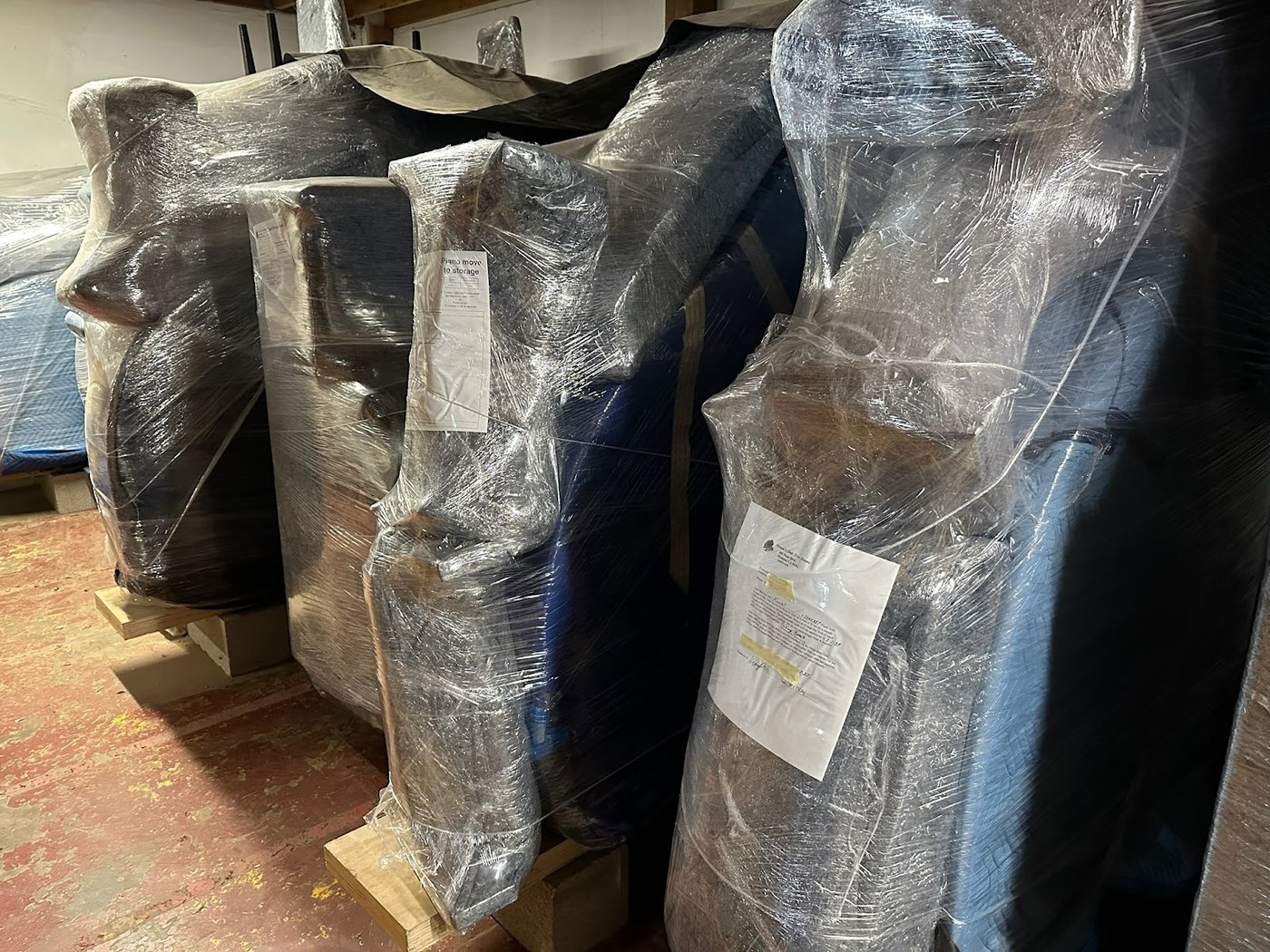
Our own truck, crew and shop — no subcontractors.
Uprights, Grands and Spinets Move Differently
People tend to say "piano" as if it were one thing. In a doorway it is three or four quite different problems, and the first question we ask on the phone is which one you have.
Spinets and small consoles are the shortest uprights and the lightest of the family, but "lightest" still means a few hundred pounds sitting on small casters that were never meant to roll across a threshold. They tempt people into trying it themselves. That is usually where the gouged floor and the cracked leg come from.
Full uprights and studio uprights carry their mass high and toward the back, behind the plate and the strings. The instrument wants to tip in a direction you are not expecting, and it does it slowly at first. Those old tall uprights weigh far more than they look, and the taller the case the more leverage a small mistake has.
Grands and baby grands have to be partially disassembled before they travel, and this is the part people are most surprised by. The pedal lyre comes off, the legs come off, and the instrument goes onto its long side on a padded skid board. It is not us being cautious for the sake of it. A grand's legs are built to carry weight straight down; push one sideways over a threshold and it snaps at the joint, taking a piece of the case with it. Rolling a grand on its own casters across a room is the single most common way a good instrument gets ruined. Off the legs and onto the board is how a grand is meant to move, and putting it back together properly at the other end is part of the job, not an extra.
Player pianos deserve a mention of their own — the mechanism adds weight low and forward and changes how the instrument balances. Tell us if yours is a player when you call.
Why a Piano Is Not a Two-Person Furniture Job
A piano is not a heavy piece of furniture. It is a heavy piece of furniture with its weight in the wrong place, wrapped in a finish that marks if you look at it wrong, with a cast iron plate and twenty-odd tons of string tension inside the case. The risk runs two ways: the instrument gets damaged — a snapped leg, a cracked case, a bent pedal lyre, a gouged finish — and people get hurt. A piano that starts to go on a staircase cannot be caught by hand.
Straps. Proper piano straps let the crew carry with their legs and keep control of the instrument on stairs and thresholds instead of wrestling it with their hands and their backs.
Piano dollies. Built to take the load and roll it without twisting the case. Furniture dollies flex under a piano; that flex is what puts a crack in a leg or a case corner.
Skid boards. A grand comes off its legs and lyre, gets wrapped and strapped to a skid board, and moves on its long side, with the weight spread along the board instead of concentrated on three points.
Padding, and plenty of it. Blankets and wrap over the case, the corners, the lid and the keyboard, and then protection on your side of it too — door frames, banisters, corners, floors. A finish takes a mark in a second and takes a day in the shop to put right. We would rather spend ten minutes padding than an hour explaining a scuff.
A planned route and enough hands. We measure doorways, look at turns and landings, and decide the path before the piano moves an inch. Most piano damage happens because someone found the tight spot halfway through, with the weight already committed.
Moving a Piano Up or Down Stairs
Stairs are routine for us, and they are also the part of the job that has to be planned rather than improvised. On the flat, a piano is a rolling problem. On stairs it is a controlled descent, and the crew below is holding weight that gravity is helping.
What makes one staircase different from another is not really the number of steps. It is the turn. A straight run is the easy case. A quarter-turn with a small landing means the piano has to be pivoted while it is already tipped, and the landing has to be big enough to hold the instrument and the crew at the same time. Winder steps — the wedge-shaped ones on a turn — are the hardest, because the footing changes width underneath the person carrying the most.
The other things we ask about: ceiling height over the stairwell, whether the handrail can be unbolted, what the tread surface is (carpet, bare hardwood and tile all behave differently underfoot), and whether there is a level spot at the top and the bottom to set down and re-grip. Split-level homes and second-floor apartments with an exterior stair are common around here, and both are workable — they just need the crew size decided before the truck arrives rather than after.
So when you call, tell us how many steps, whether there is a turn, how wide the landing is and what is at the top. A two-minute description on the phone is what keeps a stair job uneventful.
Piano Storage, Short-Term and Long-Term
We store pianos as well as move them. A remodel, a house sale, a family sorting out an estate, a move between homes with a gap in the middle — none of those should end with a piano sitting in a garage.
Short-term. A few weeks while the floors go in, or between the sale of one house and the keys to the next. Same crew moves it out and brings it back, wrapped both ways.
Long-term. A piano waiting for a grandchild to have room for it, or an instrument held while a family decides. Wrapped, kept up off the floor and indoors.
Why the environment matters. A piano is mostly wood under tension, and the soundboard is a thin panel of it. Wood takes on and gives up moisture with the air around it. In a hot dry garage the soundboard shrinks and can lose the crown it needs to carry the strings; in a damp one it swells, and swelling and shrinking through the seasons is what opens glue joints and cracks a board. Tuning goes with it — pitch drifts as the board moves, which is why a piano stored badly comes out both out of tune and, in the worst cases, needing real work. Central Valley summers make this a bigger issue here than people expect. Indoors, off the floor and out of the swing is the whole point of storing it with us.
Tuning After a Move
Expect a piano to need tuning after it moves. That is normal and it is not a sign anything went wrong. The instrument gets jostled, the case flexes slightly, and — the bigger factor — the new room has a different temperature and humidity than the old one. The soundboard responds to that over days, not minutes.
So the advice is: do not book the tuner for the afternoon of the move. Let the piano sit in the room it is going to live in and come to terms with it, then have it tuned. We will tell you when we deliver it. If the piano is coming out of long storage, or if it has not been tuned in years, it may need more than one pass to hold pitch — a tuner will tell you that when they see it.
Where you put the piano in the room matters too. Against an outside wall in direct sun, or next to a heat register or an air vent, and the instrument spends the year fighting the swing. An inside wall away from the vents is kinder to it, and we are happy to help you decide before we set it down.
Piano Repair, Refinishing and Restoration
Moving is only half of what the shop does with pianos. Piano work and furniture work have shared the same bench on Maze Blvd since 1991, so an instrument that needs work does not need a second company.
Refinishing the case. Stripping an old, checked or sun-faded finish and building a new one back up by hand. Sun damage on a lid, water rings from a plant pot, alligatored lacquer on an older upright, a case that has gone dull and grey. This is the same work we do on furniture refinishing, applied to a much larger and more valuable piece.
Key repair. Chipped, yellowed and lifting key tops, sticking keys, and keys that have gone uneven across the keyboard. Old ivories in particular loosen and pop as the glue ages.
Structural and cabinet work. Loose or separated case joints, split legs, a wobbling pedal lyre, a music desk that has come apart, a fallboard that no longer closes properly, and benches — which take more abuse than the piano does and come to us more often than anything else.
Cleaning. Decades of dust and grime out of and off an instrument, inside the case as well as on it.
Tell us what the piano needs and what you want out of it. Some instruments are worth a full restoration and some want a careful clean and a repair or two, and we will say which we think it is. There is more on the piano services page, and finished work on Before & Afters.
How the Estimate Works
There is no formula for this, which is why we do not publish one. What we need is a picture of the job, and the fastest way to get there is a phone call and a photo.
Tell us:
the type of piano — upright, spinet, console, studio, baby grand, grand or player; both addresses; the stairs at each end, including turns and landings; how the piano gets from the room to the truck, meaning doorways, thresholds, tight hallways and the path outside; and when you need it done.
Then send a photo of the piano and a photo of the doorway it has to come through. Those two pictures answer more questions than a long description does, and they let us decide the crew size and equipment before we arrive rather than on your driveway. With that in hand we will give you a firm price.
Call (209) 524-6349 or request an estimate and we will get back to you.
Areas We Serve
Nixon's Oak Tree House is at 301 Maze Blvd, Modesto, CA 95351, family-run since 1991. We move, store and repair pianos in Modesto, Ceres, Turlock, Riverbank, Oakdale, Salida, Manteca and Stockton, and throughout the northern San Joaquin Valley.
Town-specific pages: Turlock, Ceres and Stockton. If you have furniture that needs work as well, there is furniture repair and antique furniture restoration — one trip, one crew.
Piano Moving FAQ
- How much does it cost to move a piano?
- It depends on the instrument, the distance and the access at both ends. An upright going from one ground-floor room to another is a small job. A grand coming down a flight of stairs and across town is a bigger one. Tell us the piano type, both addresses, the stairs and the access and we'll give you a firm price. Call (209) 524-6349.
- Can you move a piano up stairs?
- Yes. Stairs are routine for us with the right crew size, straps and a skid board. What we need to know first is how many steps there are, whether there is a turn or a landing partway, how wide that landing is, and whether the handrail can come off if it has to. With that we plan the route and bring the right number of hands.
- Can regular movers move a piano?
- Most should not. A piano carries its weight high and unevenly, and general movers usually do not have piano dollies, skid boards or the training to keep one under control. That is where people get hurt and instruments get damaged. It is a specialist job.
- Do you move pianos out of state?
- Our regular work is local — Modesto and the northern San Joaquin Valley. For anything longer than that, call and tell us where it is going. If it is not a job we take ourselves, we will say so plainly rather than send a piano out badly prepared.
- How soon should a piano be tuned after moving?
- Let the piano settle into the new room first, then have it tuned. A move shakes the instrument and the new room has its own temperature and humidity, and the soundboard and strings respond to both. We will tell you when the piano is ready when we deliver it.
- Do you store pianos?
- Yes. Pianos in our care are wrapped and kept up off the floor, indoors, whether it is a few weeks during a remodel or a longer stretch between houses. We move it in and back out again, so the instrument is handled by the same crew both ways.
- Do you take the legs off a grand piano to move it?
- Yes. A grand comes off its lyre and legs, gets wrapped and strapped onto a skid board and travels on its long side. That is how a grand is designed to be moved. Reassembly at the far end is part of the job.
- Do you repair and refinish pianos as well as move them?
- We do. Piano work and furniture work have shared the same shop on Maze Blvd since 1991 — case refinishing, key repair, cleaning, and structural repairs to the case and bench. See our piano services page or call (209) 524-6349.
Moving a piano in the Central Valley? Send a photo for an estimate.
Free estimate when you bring the piece to 301 Maze Blvd; on-site visits have a charge, quoted by phone.
Tell us about your piece
Tell us what you have and where it is. Bob, Jenny or Dick will get back to you.
Bring your piece to our shop at 301 Maze Blvd, Modesto, for a free estimate. An on-site visit has a charge; call (209) 524-6349 and we’ll quote the visit charge before coming out. You can also send a photo to start the conversation.
All our services
- Furniture Repair in Modesto
Loose joints, broken legs, split panels and drawers that no longer run true.
- Furniture Refinishing
Stripping and hand-applied new finish on tables, dressers and cabinets.
- Furniture Restoration
Full bench restoration for pieces that need both structural work and finish.
- Antique & Heirloom Restoration
Careful work on older pieces where the original character has to survive.
- Table Restoration
Dining table refinishing, custom tops, joint repair and damage correction.
- Piano Services
Piano moving, wrapped storage and refinishing out of our Modesto shop.
- Photo Restoration & Conversion
Old prints, slides and family photographs restored and digitized.
Need a piano moved? Tell us what you have and where it's going.
Bring your piece to our shop at 301 Maze Blvd, Modesto, for a free estimate. An on-site visit has a charge; call (209) 524-6349 and we’ll quote the visit charge before coming out. You can also send a photo to start the conversation.