
Modesto, CA · Since 1991
Antique Furniture Restoration in Modesto
Preservation first. We keep what should be kept, repair what can be repaired, and tell you the difference. Call (209) 524-6349.
Send us a photo for an estimate before anything is touched.
Free estimate when you bring the piece to 301 Maze Blvd; on-site visits have a charge, quoted by phone.
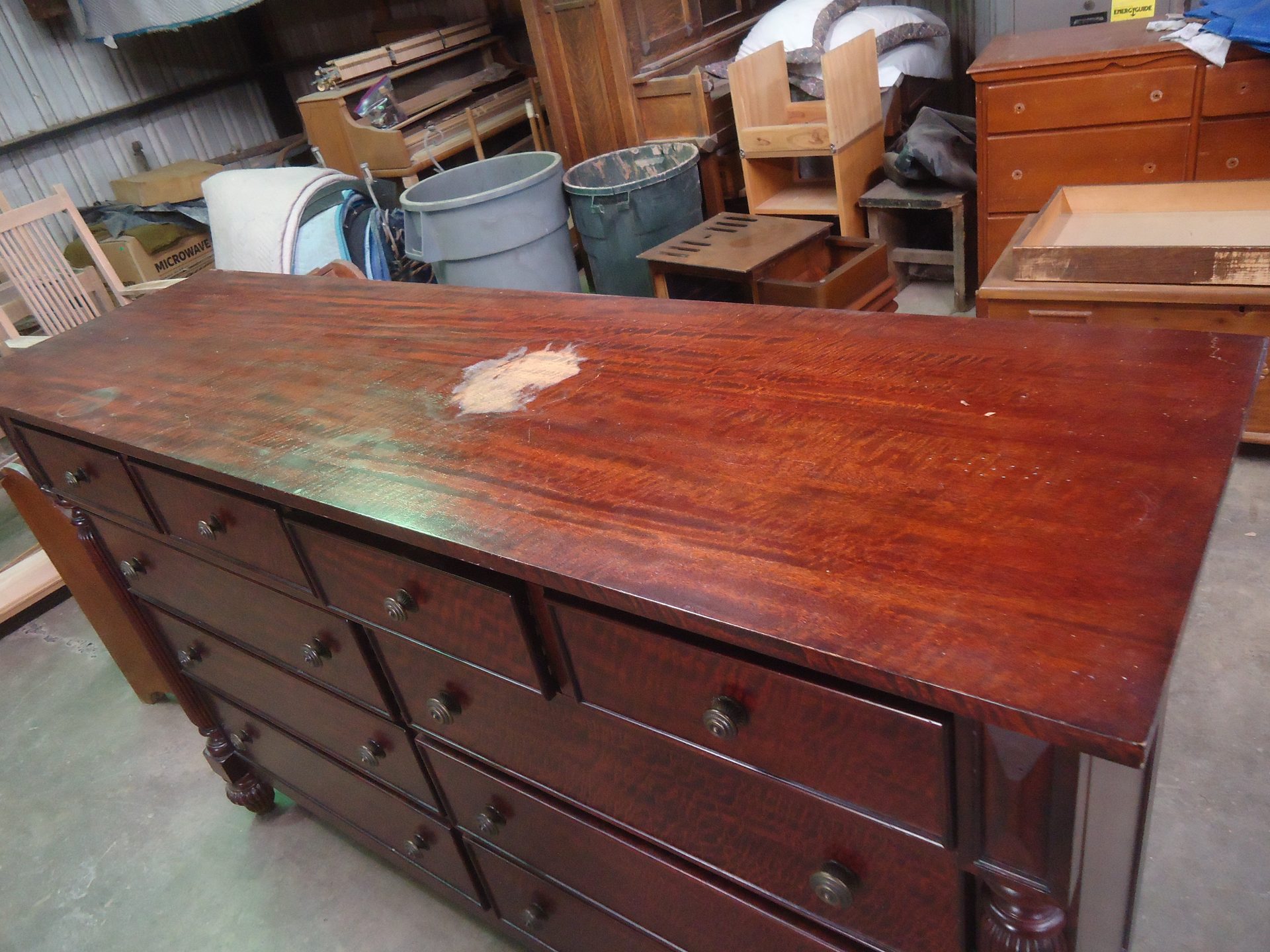 Before
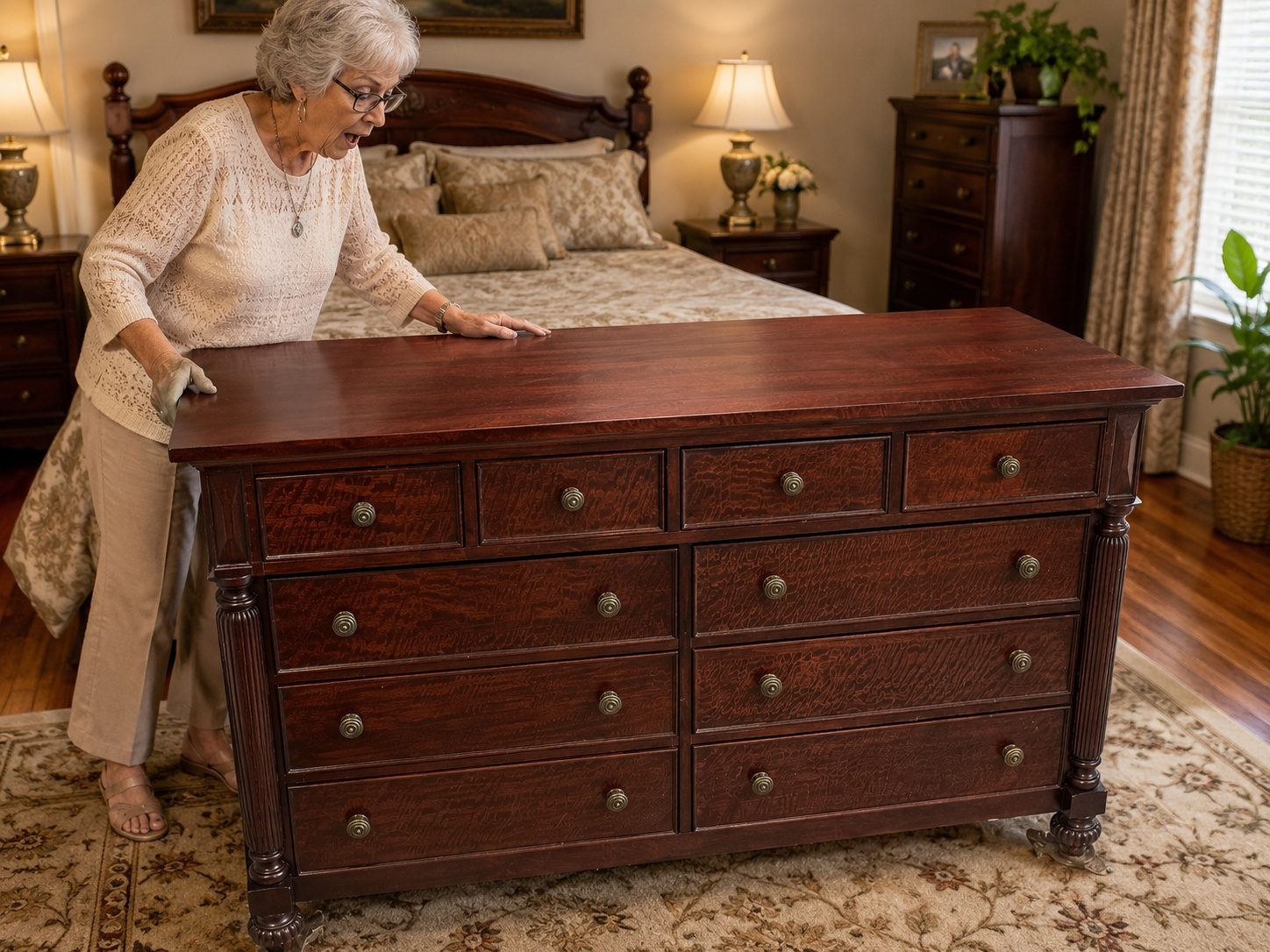 After
AfterAntique case piece — see more before & afters →
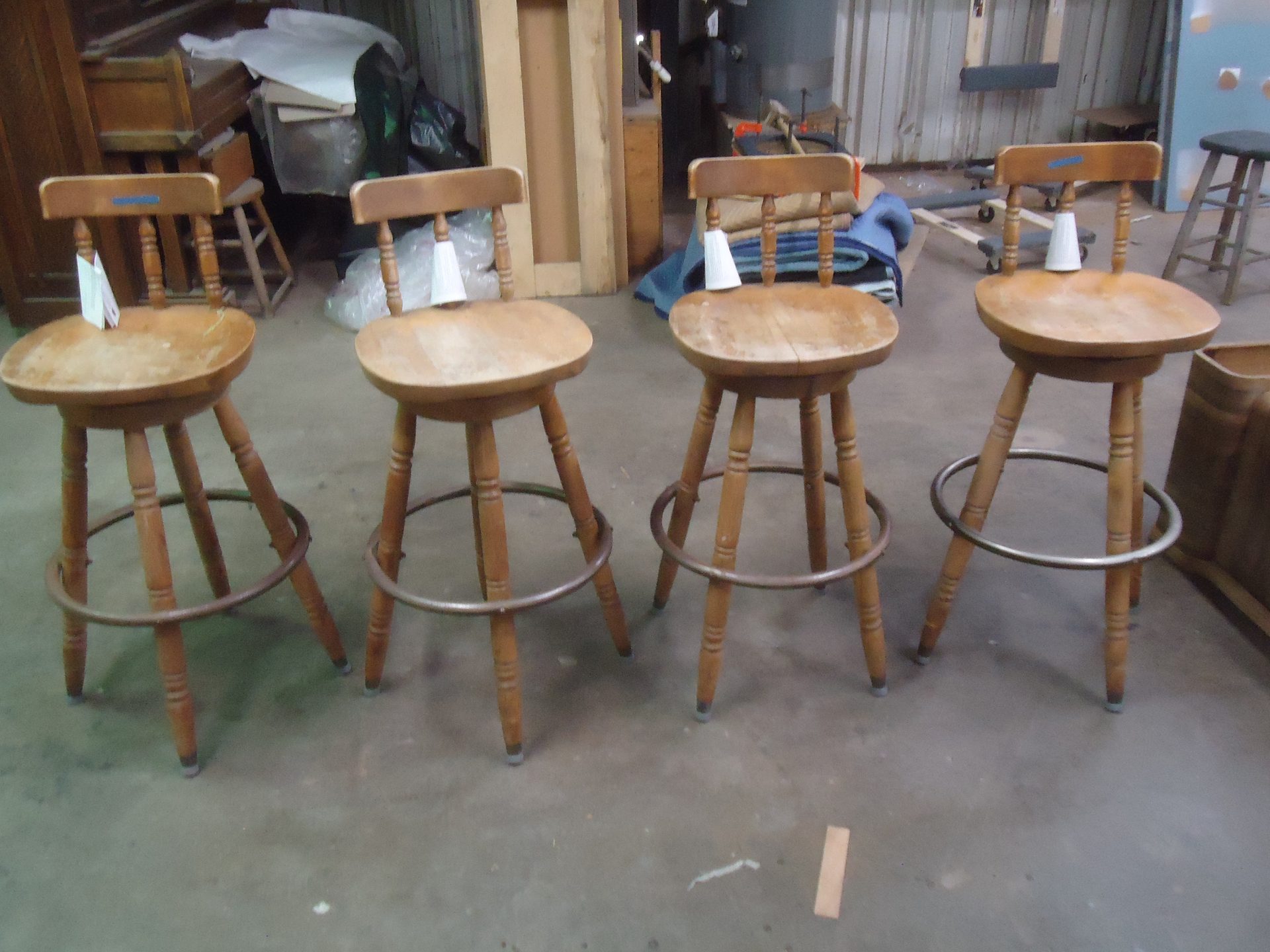 Before
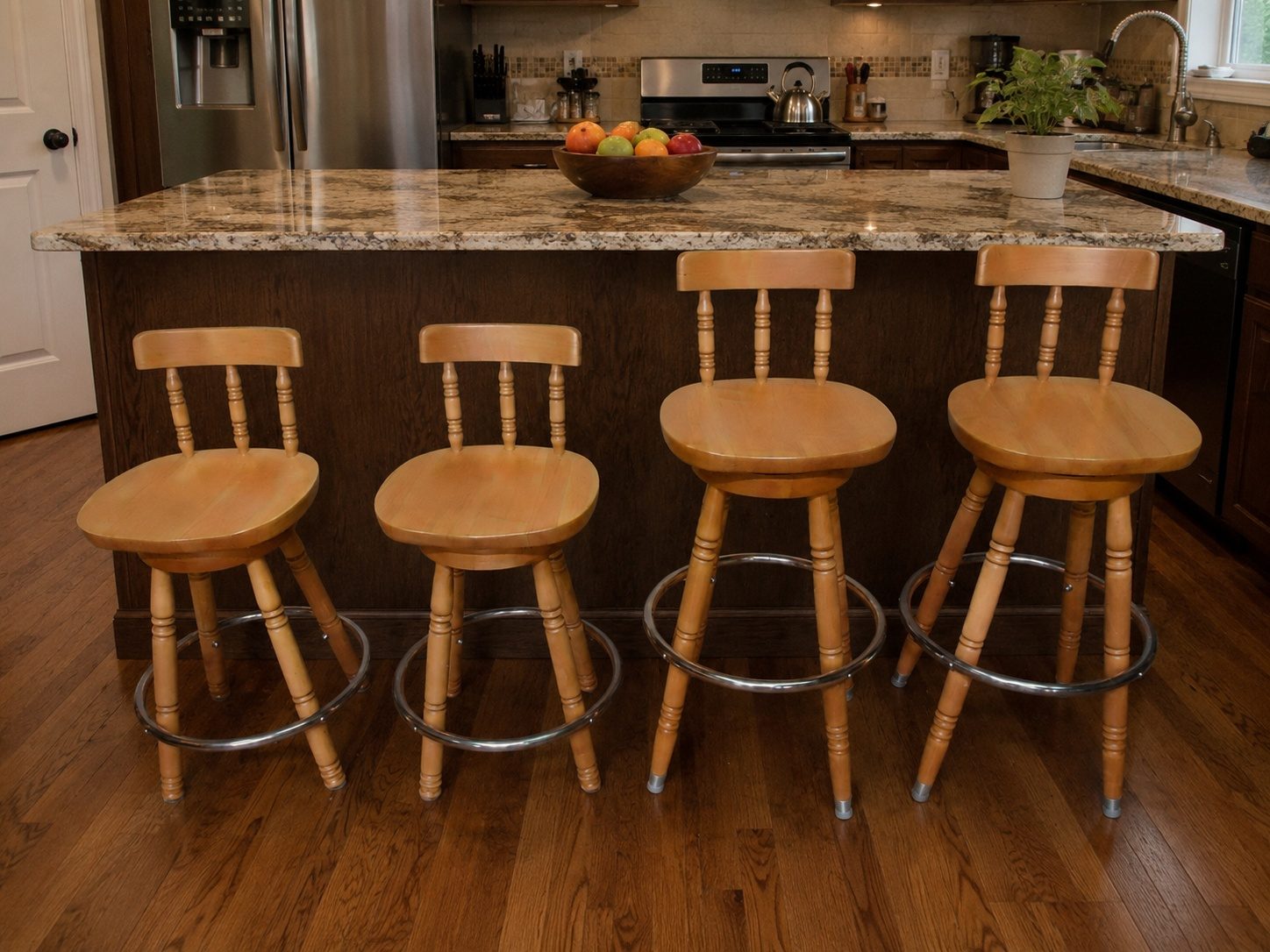 After
AfterHeirloom cabinet — see more before & afters →
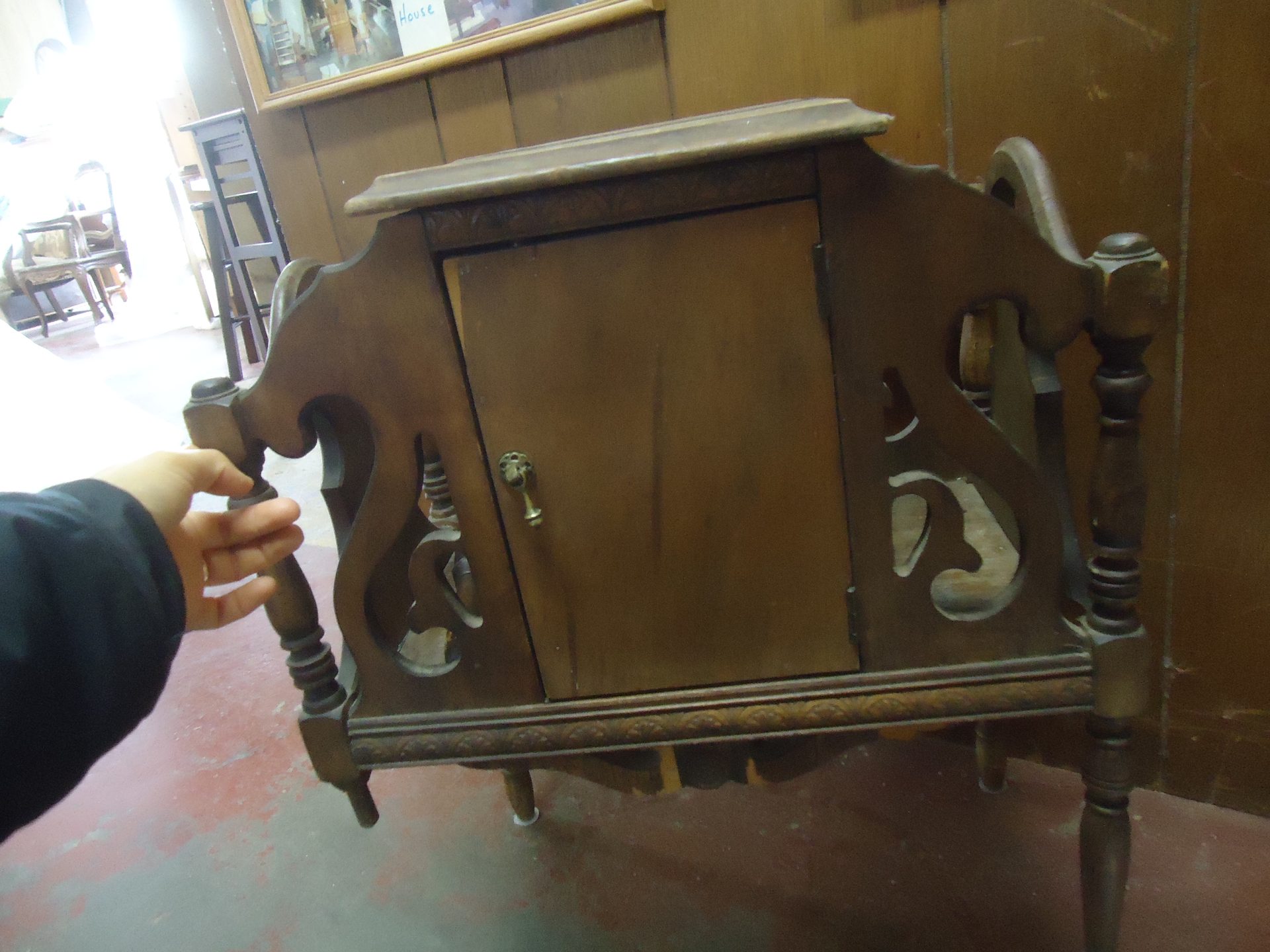 Before
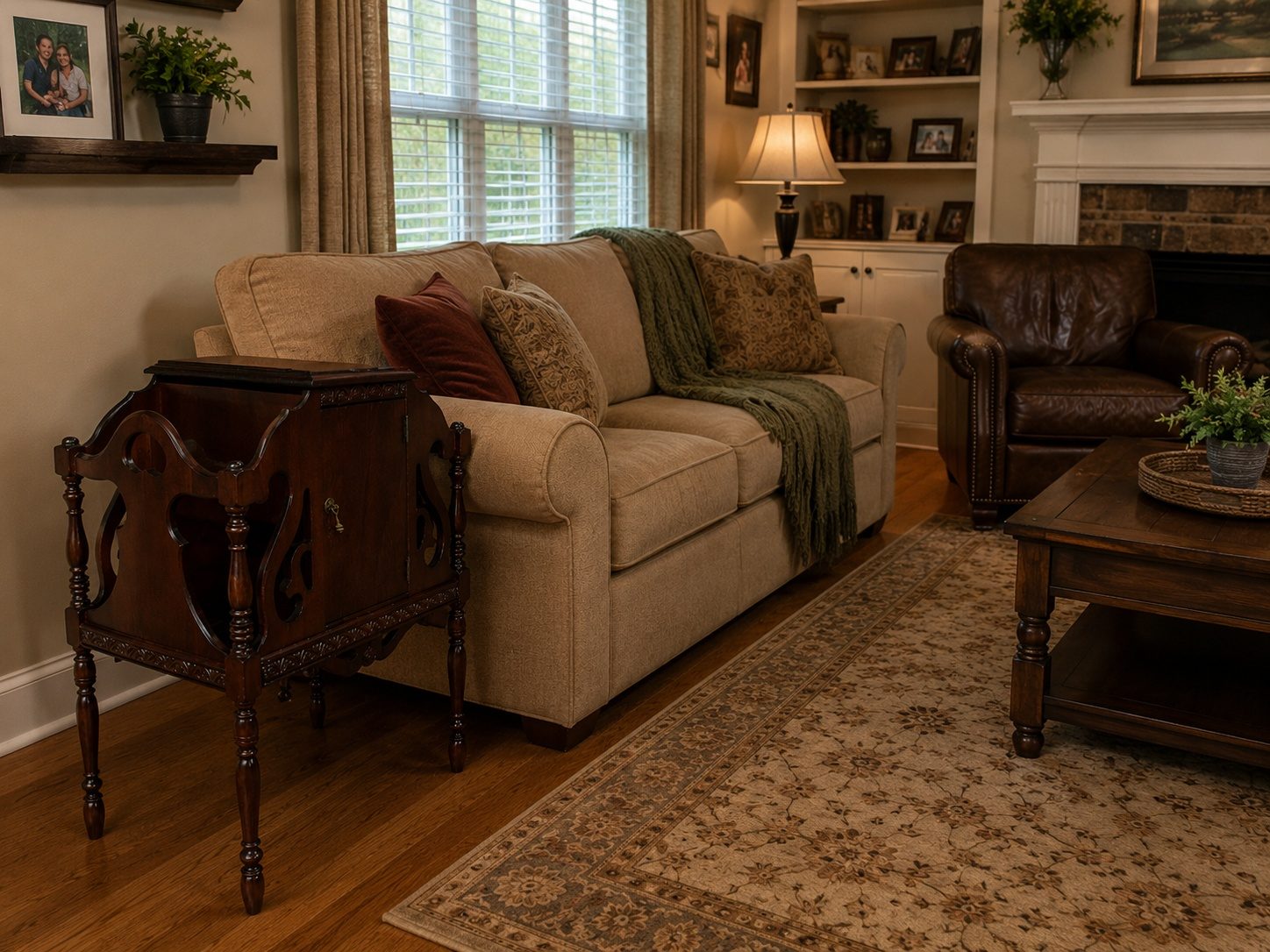 After
AfterRestored antique chair — see more before & afters →
Real pieces from our Modesto shop — photographed before and after.
Why Antiques Are Different
An antique is not just older furniture. It was made with different materials, different glue, different joinery and different finishes, and it has spent a hundred years or more reacting to heat, sun and humidity. Treating it like a modern piece is how antiques get ruined.
Old glue is usually hide glue, which is reversible with heat and moisture. That is a gift: a joint can be taken apart, cleaned and put back together properly. Modern adhesive squeezed into the same joint makes the next repair much harder and often impossible.
Old finishes are usually shellac or early varnish. They behave differently under solvent than modern lacquer, and a stripper chosen for a 1980s dresser will do real damage to a shellac surface, a veneer face, or an inlay line. Old veneer is also thick, saw-cut and worth saving — nothing like the paper-thin modern kind.
And the wood itself has moved. Boards have shrunk across the grain, tops have cupped, and drawers have worn into their own runners. A good repair works with that movement rather than forcing the piece flat.
Protecting the Value
This is the part most shops will not tell you. On a genuine antique, an aggressive refinish can permanently reduce what the piece is worth — sometimes by a large share of its value. Original surface, original patina, original hardware and original finish are a real part of what a collector or an appraiser is paying for. Once they are stripped off, they do not come back.
So we start with the value question, not the sandpaper. What is the piece, roughly what period is it, what is original to it, and how will you use it? A piece heading for auction and a piece heading for your dining room deserve different answers, and the second one is a perfectly good reason to do more work.
When the right call is a careful clean, a wax and a structural repair rather than a strip and refinish, that is what we will recommend — even though it is the smaller job. We would rather do less and be right.
If your piece is not an antique and simply looks tired, the honest answer might be plain furniture refinishing or a straightforward furniture repair.
What We Restore
Structural repair. Joints taken apart, cleaned of old glue, refitted and clamped. Split rails and cracked frames drawn closed. Broken or missing parts recut to match the original profile. Drawers made to run again.
Veneer repair and matching. Lifted veneer re-laid, blisters relaxed and glued down, missing areas patched with stock chosen for grain and color so the patch reads as part of the piece.
French polish. Shellac built up by hand in many thin passes. Slow, and on the right period piece there is no substitute for how it looks in the wood.
Hardware repair. Original pulls, hinges, escutcheons, locks and casters cleaned, repaired and refitted. Replaced only when there is nothing left to save, and then matched as closely as we can.
Careful cleaning. Often the whole job. Decades of wax, smoke and grime come off and the original surface is still under there, intact.
Past work includes grandfather clocks, hope chests, secretaries, rocking horses, buffets and antique globes with brass meridians. There are photographs on the Before & Afters page.
Our Approach
Keep the original finish where keeping it is possible. Repair rather than replace. Use period-appropriate materials and methods — hide glue where hide glue belongs, shellac where shellac belongs, solid stock cut to match rather than a filler that will show in five years.
Keep the marks of history that are worth keeping. A date in pencil inside a door, a maker's stamp, a child's height scratched into a wardrobe — those stay.
Make every repair reversible where we can, so whoever works on the piece after us has the same options we had. And explain the plan before we start, so nothing gets decided without you.
Areas We Serve
Nixon's Oak Tree House is at 301 Maze Blvd in Modesto, California, and has been family-owned since 1991. We restore antiques for Modesto, Ceres, Turlock, Riverbank, Oakdale, Salida, Manteca, Stockton and the surrounding Central Valley.
Call (209) 524-6349 or request an estimate and send a photo of the piece and its joinery.
Antique Restoration FAQ
- Will restoring an antique hurt its value?
- It can, if it is done the wrong way. On some antiques the original finish and patina are a large part of the value, and stripping them removes it permanently. On most family furniture a proper restoration makes the piece usable for another generation and costs nothing in value. We talk through that trade-off before anything is stripped.
- How do I know if my piece is a real antique?
- Construction tells you more than a label. Hand-cut dovetails, saw marks, shrinkage across the grain, old hardware and the way a drawer is built all give it away. Bring it in or send photos of the joinery and the back, and we will tell you what we see.
- Can you repair damaged veneer?
- Yes. Lifted veneer gets re-glued and clamped. Missing veneer gets patched with matching stock, cut to follow the grain so the repair disappears. Veneer work is one of the most common things antiques need and one of the easiest to do badly.
- Do you do French polish?
- Yes. It is slow, hand-applied work, and on the right period piece nothing else looks the same. We will tell you honestly whether your piece calls for it or whether a different finish is a better fit for how you use it.
Family-owned in Modesto since 1991. Send a photo for an estimate.
Free estimate when you bring the piece to 301 Maze Blvd; on-site visits have a charge, quoted by phone.
Tell us about your piece
Tell us what you have and where it is. Bob, Jenny or Dick will get back to you.
Bring your piece to our shop at 301 Maze Blvd, Modesto, for a free estimate. An on-site visit has a charge; call (209) 524-6349 and we’ll quote the visit charge before coming out. You can also send a photo to start the conversation.
All our services
- Furniture Repair in Modesto
Loose joints, broken legs, split panels and drawers that no longer run true.
- Furniture Refinishing
Stripping and hand-applied new finish on tables, dressers and cabinets.
- Furniture Restoration
Full bench restoration for pieces that need both structural work and finish.
- Table Restoration
Dining table refinishing, custom tops, joint repair and damage correction.
- Piano Services
Piano moving, wrapped storage and refinishing out of our Modesto shop.
- Piano Moving
Uprights, consoles, spinets and grands moved by our own truck and crew.
- Photo Restoration & Conversion
Old prints, slides and family photographs restored and digitized.
Have an antique worth saving? Let's talk before anything is stripped.
Bring your piece to our shop at 301 Maze Blvd, Modesto, for a free estimate. An on-site visit has a charge; call (209) 524-6349 and we’ll quote the visit charge before coming out. You can also send a photo to start the conversation.